


Las historias que contamos sobre pedir ayuda
En los pueblos de montaña, la independencia no es solo un valor, sino que forma parte de la identidad.
Nos enorgullecemos de ser capaces. Adaptables. El tipo de personas que saben arreglárselas, seguir adelante, salir adelante, esforzarse y arreglar las cosas por nuestra cuenta. Aquí hay un entendimiento tácito: cada uno debe asumir su parte de responsabilidad.
Y, en muchos sentidos, esa mentalidad nos ayuda. Nos da fortaleza. Crea comunidades sólidas y autosuficientes. Nos ayuda a sobrellevar los largos inviernos, las condiciones impredecibles y unas vidas que no siempre siguen un camino fácil.
Pero hay otra historia entretejida en esa misma mentalidad, una que no siempre nombramos.
Es esa idea de que pedir ayuda es algo que solo se hace cuando ya no te queda otra opción.
- Que necesitar ayuda signifique que, de alguna manera, no has estado a la altura.
- Que probablemente hay gente que está peor que yo.
- Que tú debería ser capaz de manejarlo por tu cuenta.
- Que todos los demás están ocupados, o cansados, o lidiando con sus propios asuntos... ¿por qué entonces agobiarlos?
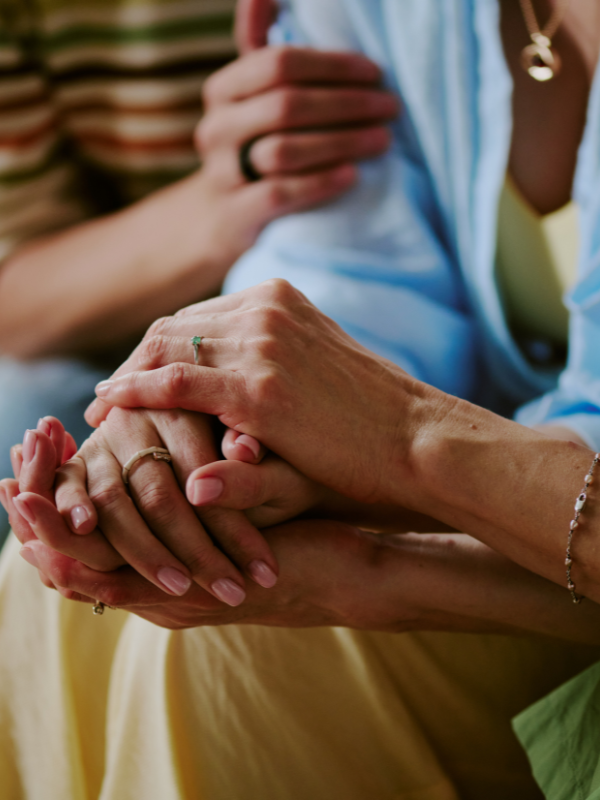
La mayoría de nosotros tenemos una versión de esa historia.
Y en un lugar como este, puede resultar especialmente convincente. Porque, a simple vista, realmente parece que todos lo están manejando bien. La gente se presenta. Se ponen a trabajar en medio de una tormenta de nieve. Mantienen las cosas en marcha. Dicen que están “bien” —o al menos “lo suficientemente bien”—. (Y, si somos sinceros, decir “solo cansado” ha servido de mucho por aquí).
Pero vivir aquí —vivir de verdad aquí— a veces nos pasa factura a todos. Las estaciones tan largas. El costo de vida. El ritmo. La presión por seguir el paso, por hacer que todo funcione, por amarlo todo el tiempo.
No siempre es fácil ni divertido. Para ninguno de nosotros.
Lo cual hace que haya otra cosa sobre este lugar que también sea silenciosamente cierta.
A pesar de nuestra independencia, esta es también una comunidad en la que la gente se apoya mutuamente, a menudo sin dudarlo. Alguien te ayuda a sacar el auto de un montón de nieve. Un vecino al que apenas conoces se queda al tanto de tu casa. La gente se une en torno a campañas de recaudación de fondos, eventos y momentos difíciles. Existe un entendimiento tácito de que nos respaldamos unos a otros.
Pero no siempre dejamos que eso se aplique a nosotros.
Nos preocupamos por los demás, pero nos cuesta responder con sinceridad cuando alguien nos pregunta cómo estamos.
- Nos presentamos, seguimos adelante, nos esforzamos.
- Nos volvemos muy buenos para manejar las cosas a nivel superficial, incluso cuando hay algo más profundo que podría requerir atención.
Y para muchos, esto se ve aún más condicionado por los mensajes que hemos asimilado con el tiempo, sobre todo en lo que respecta al género. La idea de que la fortaleza implica permanecer en silencio. Que ser “la persona en quien se puede confiar” significa no esperar nada a cambio. Que la vulnerabilidad es, en el mejor de los casos, incómoda, o, en el peor, inaceptable.
Así que nos adaptamos.
La verdad es que pedir ayuda no es una falta de independencia. Es una habilidad.
Es algo que aprendemos, practicamos y en lo que vamos mejorando con el tiempo. Y, como cualquier habilidad, al principio puede resultar un poco incómodo, sobre todo si va en contra de las historias que nos hemos estado contando a nosotros mismos durante años.
Podría verse así:
- Enviar un mensaje de texto que diga: “Hola, ¿tienes un momento?”
- Decirle a alguien que estás teniendo un día difícil en lugar de restarle importancia
- Aceptar la ayuda cuando se ofrece, sin intentar devolverla de inmediato
- Expresar lo que necesitas, aunque todavía no estés del todo seguro de cómo decirlo
No son cosas sin importancia. Requieren conciencia. Valor. Práctica.
Y quizá lo más importante: nos obligan a reescribir la historia, aunque sea solo un poco.
Porque la realidad es que estamos más conectados de lo que parece a simple vista. En una comunidad de este tamaño, la gente se da cuenta. Se preocupan. Quieren ayudar, aunque no siempre sepan qué decir, aunque tú seas muy convincente cuando dices que lo tienes todo bajo control.
Dejar que alguien forme parte de esto no te convierte en una carga. En la mayoría de los casos, le da a otra persona la oportunidad de hacer precisamente lo que esta comunidad ya hace mejor: estar presente.
¿Y si pedir ayuda no fuera una señal de que algo anda mal contigo, sino una señal de que estás prestando atención?
¿Y si eso significara que confías lo suficiente en alguien como para dejarle entrar?
¿Y si fuera una de las formas en que construimos comunidades más fuertes y unidas, no solo estando ahí para los demás, sino permitiendo que los demás estén ahí para nosotros?
En un lugar como este, donde la gente se cuida mutuamente durante las tormentas, en los senderos, en la montaña... ya existe una base de solidaridad. La fortaleza no desaparece cuando nos apoyamos unos en otros. Al contrario, eso es lo que la hace duradera.
Este mes, con motivo del Mes de la Concienciación sobre la Salud Mental, no le pedimos a nadie que se convierta en otra persona. Solo te invitamos a dar un pequeño giro a tu historia.
No tienes por qué cargar con todo tú solo.
Aquí no. En esta comunidad no.
Y si pedir ayuda te resulta extraño, no pasa nada. Solo significa que estás aprendiendo algo nuevo.
Artículo de Nadia Borovich, Coordinadora de Bienestar Comunitario de Building Hope Summit County. Si tienes una historia que compartir, ponte en contacto con ella en nadia@buildinghopesummit.org.
