


From pandemic isolation to master’s degree determination.
Juan Guzman found the support system strength to pull himself up and out of darkness.
In Guatemala City, Juan Guzman was an 18-year-old first-year med school student. He was surrounded by friends and family in a city he’d known since birth and his compass was firmly set on a career as a psychiatrist. When Guzman and his parents moved to Summit County in November of 2014 to be closer to his older sister, he left that life behind.
Guzman was hopeful. He’d never seen snow, he was a doting uncle grateful to be closer to his sister’s family, and, although getting into medical school in the U.S. was proving to be expensive and time consuming, Guzman easily secured a job at McDonald’s in Silverthorne and was quick to make friends. Six years later, Guzman found himself wearing an assistant manager badge.
When the pandemic hit in early 2020, McDonald’s shut down. And so did Guzman.
“Everything started falling apart mentally,” he says. “I wasn’t even hanging out with my parents who I lived with. I slept a lot. Didn’t want to leave my room. I was emotionally isolated.”
The restaurant divvied up slimmed down hours to employees and Guzman was back behind the counter in 2021, but there was a heaviness lingering inside of him. Solitude was creeping in and he couldn’t shake the feeling of being stuck.
“I thought, ‘maybe I need to do something about this,’” he says. “So I started therapy.”
Guidance from a BetterHelp virtual therapist led him to realize he’d put up barriers that were stopping him from going after what he really wanted in life.
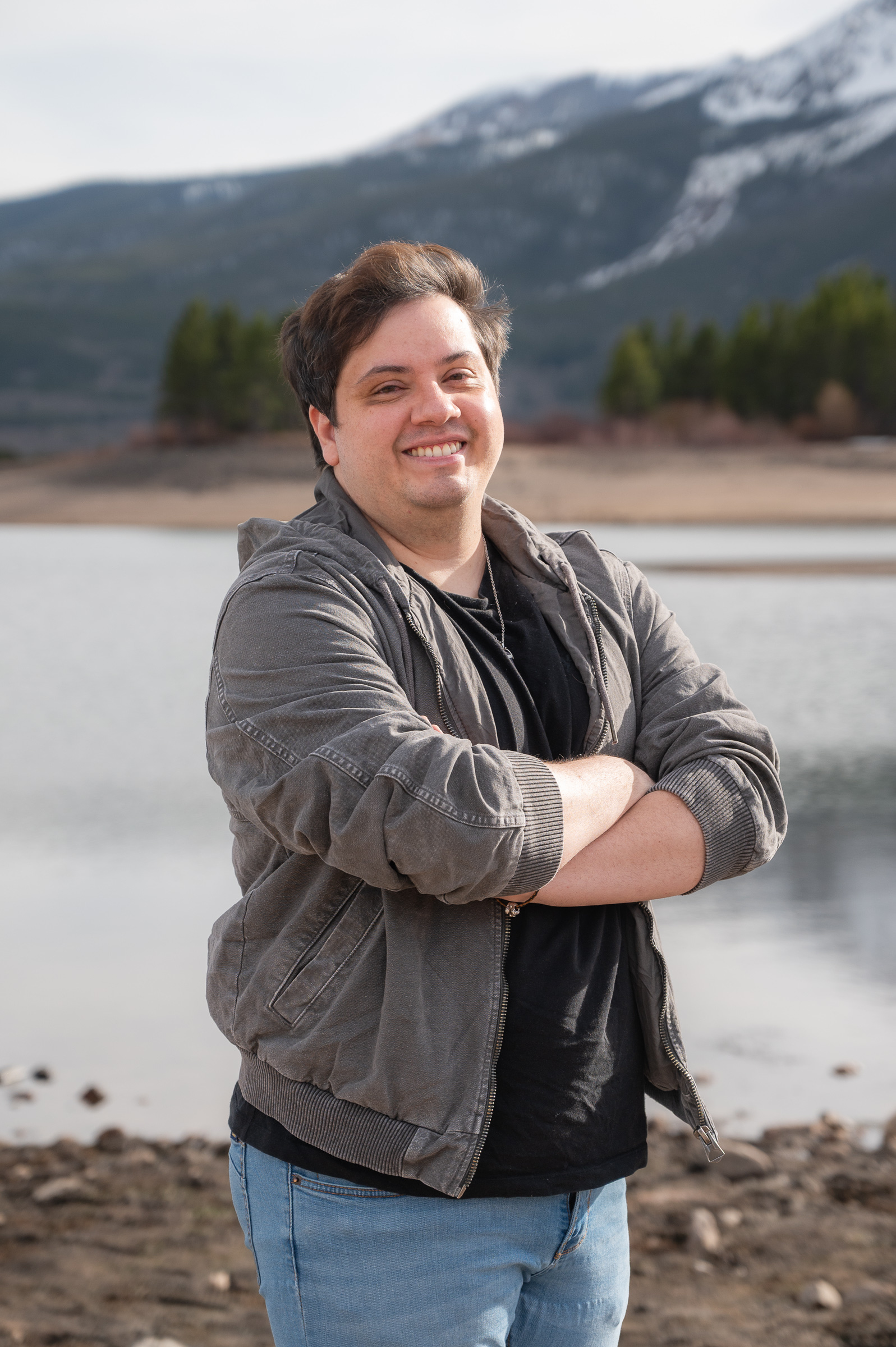
Juan Guzman
Stories spiraled in his mind—I’m not good enough for another job. I can’t escape my comfort zone.
“Then, I broke,” he says. “There were days of me crying every time I got to my car after work, getting home, going to my room and saying what am I doing with my life?”
Guzman confided in his sister who urged him to quit his job if it wasn’t bringing him happiness. At this point, he had 10 years under his belt and McDonald’s was ready to offer him a store manager position.
“A few days later, I told my boss I can’t do this anymore,” Guzman says. “I said thank you for the store manager consideration, but this isn’t what I want to do with my life.”
It was 2024 and Guzman’s pent-up emotions were on the brink of bursting.
A door closed and a whole new world opened.
One pandemic silver lining: Guzman had racked up Colorado Mountain College online credits and was well on his way to a Bachelor of Arts in Human Services—a degree preparing students for careers in behavioral health, mental health and social services. After a short hunt, he landed a job at Elevated Community Health as a behavioral health patient access representative.
“This community health job showed up. Like a sign,” he says. “Right after the interview, it felt good and I thought ‘why didn’t I do this sooner?’ I always regret not doing it sooner.”
Today, Guzman is 31 and has found purpose in making patients’ lives easier, calling to book followup sessions, scheduling therapy appointments, and ensuring the Spanish-speaking and LGBTQ communities feel seen and represented.
In Fall of 2025, he transferred to Pueblo Community College and plans to complete his bachelor’s degree in Fall of 2027. After that, it’s onto earning his master’s degree.
“There’s no stopping,” he says. “When you’re motivated to do stuff, there’s no pausing. I want to start helping people as fast as I can.”
Guzman says he sees the county’s deep need for Spanish-speaking behavioral health providers and encourages clients to reach out to Building Hope to access scholarships that cover up to 12 sessions of individual counseling along with group therapy, psychiatric visits and psychological testing.
“I suffered from depression and therapy helped a lot,” he says. “I still see my therapist every two weeks. Just to touch base. To get the emotional load out.”
Building Hope also helped ease the stress of paying for college, connecting Guzman to a scholarship for continuing education.
“A lot of people find comfort in solitude,” he says. “I like my alone time, but nothing compares to having someone by your side that cares for you and shows you support.
That has motivated me to be a psychiatrist. I want to be someone that can be there for everyone who needs it.”
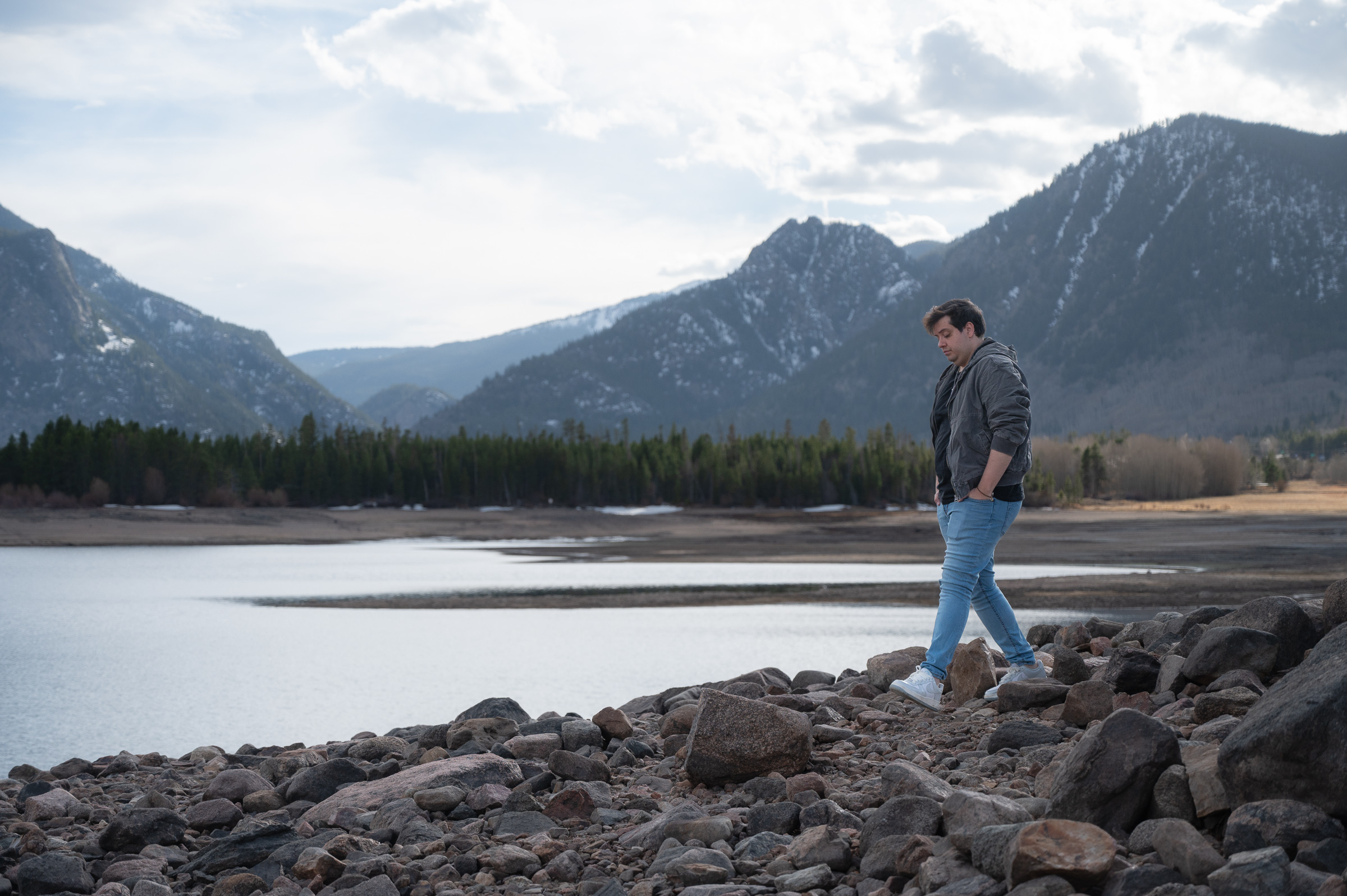
Taking the little wins and learning to let go.
Working 40 hours a week at Elevated Community Health and spending evenings on college curriculum—a mix of accelerated courses, weekly assignments and discussion posts due each Sunday—keeps Guzman busy. Depression creeps in, he says, and feelings of regret, frustrations at work, and a life left behind in Guatemala can feel heavy.
“I always saw depression and anxiety as something you’re trapped inside of,” he explains. “I picture myself with anxiety and depression and I was down in a hole and I could only see the blackness on top.”
Everything shifted the moment Guzman shared his bottled-up emotions with his sister and friends and started going after what he wanted in life. Building an unshakeable support system of family and friends has been crucial on his mental health journey. Weekly meet-ups to walk around Lake Dillon, see a movie together or just sit and talk with his former coworkers and friends brings him solace and gratitude.
“I’m learning to let go of the things I left behind when I moved here,” he says. “I still talk to friends back home and try to go see them every year around holidays. Knowing they’re still there for me is important. But you learn to have a life before and after moving to the states. Even if it’s changed you for the better, you’re still the same person from where you came from. You’ve just evolved and adapted.”
As a Spanish-speaking male, the mental health stigma is real.
Guzman became a U.S. Citizen two years ago and says, though citizenship has made things easier—nudging him out of his comfort zone to apply to college, for example—he realizes it’s a scary time politically for the local Hispanic community. This fear elevates the existing stigma around asking for mental health help, a private struggle that Guzman says is especially prevalent for men.
“A lot of people in the Hispanic community think going to a therapist means you’re crazy,” he says. “Men never talk about their feelings and it’s even more so for Hispanic men. Everyone can get so much out of talking to a therapist. They don’t judge your color, your accent, your sexual preference—therapy is open for everyone.”
A motivator pushing his behavioral health career path forward, Guzman sees long wait times to get in with a Spanish-speaking therapist and hesitation from Spanish-speaking clients to express themselves in a language that’s not their primary language.
“We need more options,” he adds. “It’s easier for men to talk about things they’re going through with another male.”
Through his own therapy, Guzman has built a toolkit to lift himself up and put himself back together when anxiety or depression arrives.
“I really try to look at the bright side now instead of drowning myself in darkness,” he says. “Getting in contact with nature helps. I love to take walks at night. In Summit Cove, you can really see all the stars.”
“I think every day is a challenge. You never know what you’ll encounter in a day. But you have to look forward. Today is gone, tomorrow can always be better.”
Photos by Carson Covell. Carson is a Summit County–based photographer focused on authentic, timeless images of people, place, and community.
Article by Lisa Blake. Lisa is a Breckenridge-based author and freelance writer specializing in wellness, food, and adventure storytelling. Find her work in Mountain Town Magazine, Well Magazine, 5280 Magazine, and at lisablakecreative.com.
- Get help navigating mental health resources.
- Mental health resources for Adults.
- Find a Therapist.
- Suicide Prevention Support