

Holding More Than One Truth: Thanksgiving, Mental Health, and the Community We Choose to Build.
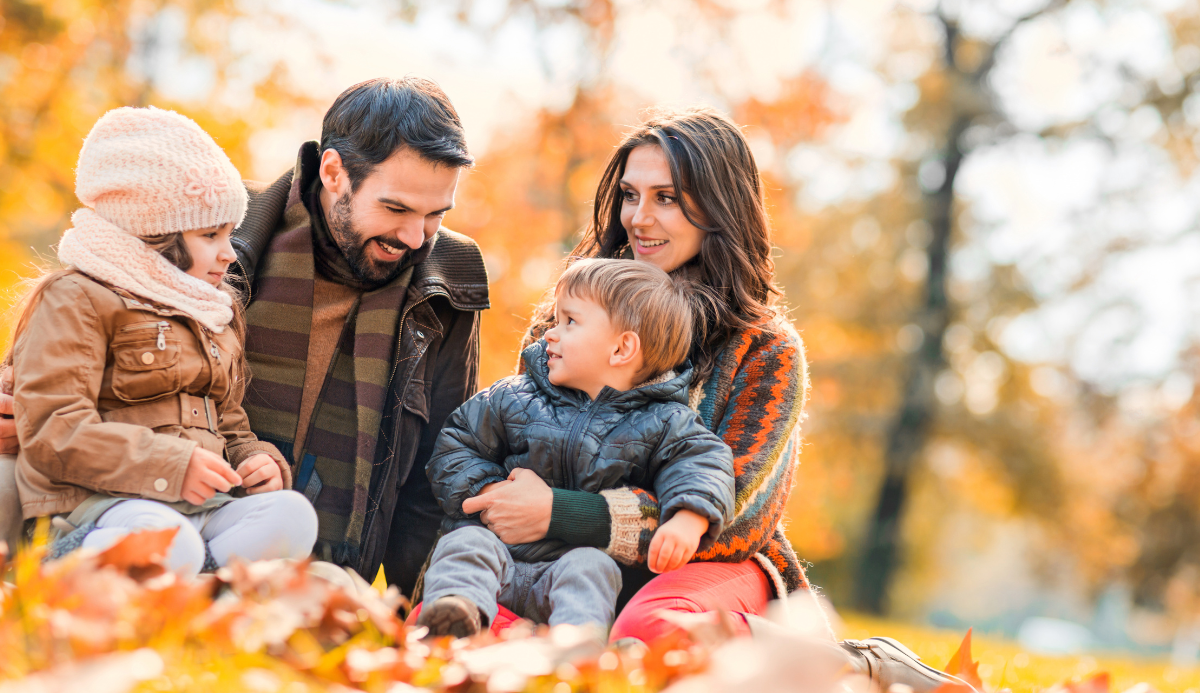
November often invites us to reflect on what matters most. As Thanksgiving approaches, many of us look forward to shared meals, familiar traditions, and time with the people who make life meaningful. But Thanksgiving is not a simple story, and neither are the feelings that surround it.
The familiar narrative of the first Thanksgiving often leaves out the violence, colonization, displacement, and loss experienced by Indigenous peoples. This history isn’t confined to the past; its impacts continue today, alongside the strength, cultures, and resilience of Native communities.
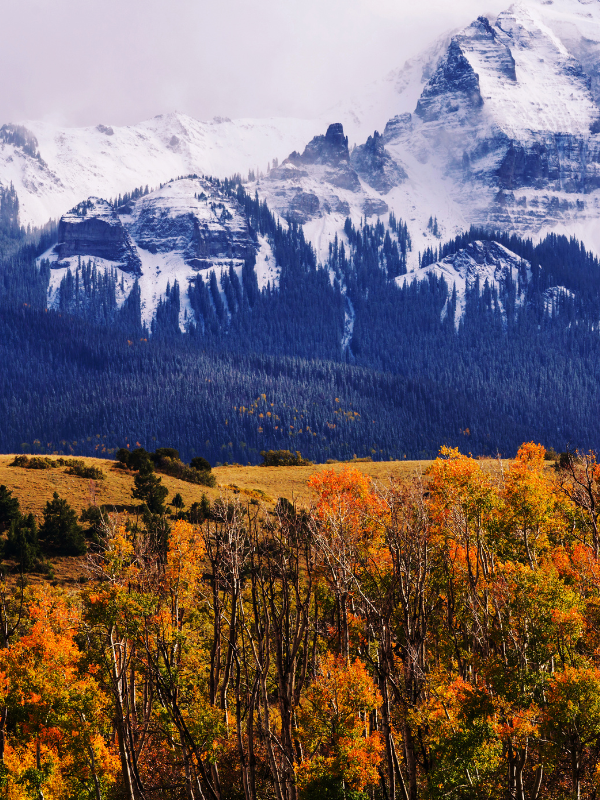
Here in Summit County, we live on the ancestral lands of Indigenous peoples, including the Ute people, whose connections to this region long predate the communities we know today. Acknowledging this history means recognizing the people and perspectives too often left out of the stories we tell.
For some, Thanksgiving is a treasured celebration. For others, it brings grief, anger, discomfort, or disconnection. And for many, the experience is somewhere in between.
At Building Hope, we’ve explored the relationship between gratitude and mental well-being before. This year, we’re considering another question: How do we care for ourselves and one another when our feelings, experiences, and histories don’t fit neatly into a single story?
Mental Health Isn’t About Choosing the Bright Side
Gratitude, optimism, and resilience can all support our mental well-being. But in our efforts to stay positive, we can sometimes leave little room for harder feelings. We might tell ourselves we should be grateful when we’re struggling, avoid difficult conversations, or feel that acknowledging someone else’s pain diminishes our own joy.
But our experiences don’t have to cancel one another out.
We can appreciate our traditions while questioning parts of their history. We can feel grateful for our community while recognizing where it falls short. We can celebrate the people around our table while missing those who are no longer here.
Mental well-being doesn’t require us to resolve every contradiction or turn every difficult feeling into a lesson. Sometimes, it means allowing ourselves to feel what we feel, getting curious about why, and resisting the urge to judge an experience simply because it’s uncomfortable. Sometimes, it means allowing two seemingly opposite things or experiences to coexist and recognize that they can both be true at the same time. In Marsha Linehan’s Dialectical Behavior Therapy (DBT), these are called “dialectics”.
Replacing rigid black and white/all or nothing thinking patterns with flexible “both, and” patterns.
Making room for complexity isn’t the same as giving up hope. It’s recognizing reality more fully so we can respond to it more thoughtfully.
The Stories We Tell Shape the Communities We Create
The stories we share help shape our sense of belonging. They connect us to traditions, places, and one another. But sometimes, those stories leave people out.
Learning a fuller history of the land we call home gives us an opportunity to reconsider what we’ve taken for granted. Listening to experiences different from our own can challenge our assumptions and help us understand our community more fully.
For those interested in exploring Indigenous perspectives on Thanksgiving, the Smithsonian National Museum of the American Indian offers a thoughtful resource: Rethinking Thanksgiving Celebrations: Native Perspectives on Thanksgiving.
Here in Summit County, connection is especially important. Mountain life can be beautiful, but it can also bring isolation, demanding work schedules, financial pressures, and distance from family. The way we show up for one another matters.
We build that kind of community through everyday choices: whose voices we listen to, how we respond when someone is struggling, and whether we’re willing to make room for people whose experiences differ from our own.
Turning What We Know Into How We Live
We can seek out Indigenous voices, learn about the history of this region, and recognize Native communities as living communities—not simply part of a historical narrative. We can also bring that same willingness to learn into our everyday relationships: checking in on a neighbor, making room for someone who feels left out, or asking a question instead of making an assumption.
These actions may seem small in the context of generations of history or the challenges facing our community. But the way we treat one another is part of the world we create.
As you move through November, consider asking yourself:
- What traditions and values do I hold dear, and how can I honor them while remaining open to learning?
- Whose experiences or perspectives might help me understand my community more fully?
- How can I help someone feel seen, supported, or included this month?
- Are there opportunities for me to replace “but” to “and” in my thinking and communication, recognizing complexity and contradiction can and is okay to exist?
We don’t need to answer these questions perfectly or resolve generations of complicated history in a single season. We simply have to remain open to what we can learn and how that knowledge might shape our choices.
A Season for Reflection, in All Its Forms
Thanksgiving will mean different things to different people this year. Some will find joy in familiar traditions. Others may be navigating grief, complicated family relationships, or a renewed awareness of the holiday’s history. There is no single emotional experience we need to prescribe for this season. We can feel both grateful and sullen, joy and pain.
We can celebrate connection without ignoring history. We can acknowledge painful truths without abandoning the things that bring us joy. We can appreciate what we have while recognizing the work still needed to create a more compassionate and inclusive world.
Perhaps the invitation this November isn’t simply to be more grateful. Perhaps it’s to consider what we do with our gratitude, what we learn from our discomfort, and how we turn the things we value into actions that benefit others.
At Building Hope, we believe mental well-being is deeply connected to the relationships we nurture and the communities we create. When we make room for honest conversations, recognize the humanity in one another, and remain willing to learn, we help create opportunities for more people to feel connected and supported.
We don’t all have to see this season through the same lens. We just have to be willing to see one another.
Whatever Thanksgiving means to you, may this month offer opportunities to reflect, connect, learn, and contribute to a community where more people can thrive—not just during the holidays, but throughout the year.
