


Injuries in an active town
Hi everyone, my name is Sabrina Edelman and I am currently interning at Building Hope. I grew up in New York City but moved to Summit County 3 years ago. I’ve always had a passion for mental health and increasing access to mental health treatments and supports so I decided to get my Master’s in Social Work. While I am unsure exactly what I want to do in the future, I am so thankful to Building Hope for giving me this fantastic learning opportunity. This month one of my projects was writing the Blog, enjoy!
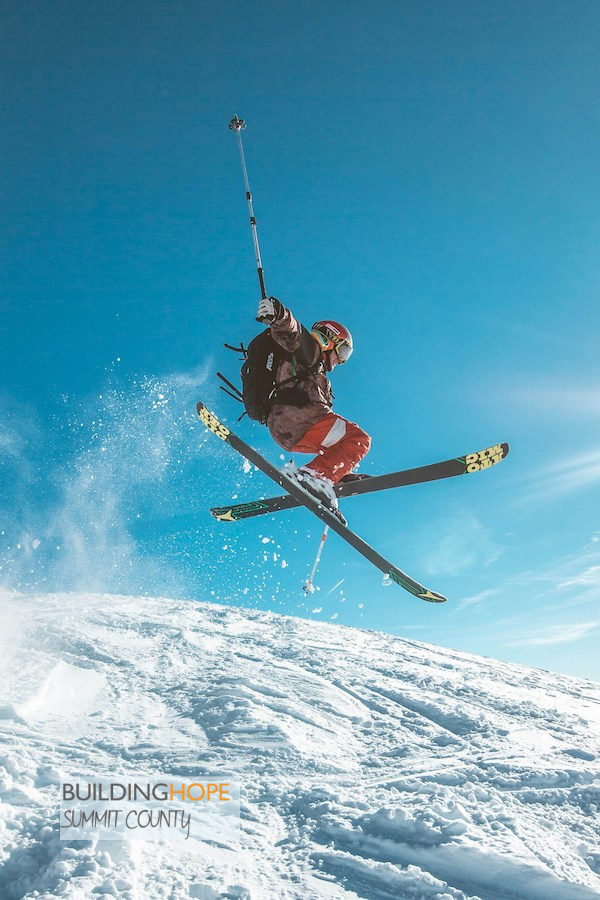
Last month, I was skiing with some friends and decided to attempt a jump. The area was filled with other spectators and risk takers. I rode up to the jump, popped, and then who knows what happened next. Immediately I was dazed and concerned about a concussion (I’ve had two prior, the perils of kickball). Worried, I went to the doctor the following day and was diagnosed with a minor concussion. Lying in bed, in the dark, with nothing to do, I thought about how detrimental injuries can be in a town like this. Being forced to stop what you love can really challenge our mental health and wellbeing. We all pay a big price to live in this “paradise” and injuries that occur can go way beyond the physical.
- Physical toll: Broken bones, sprains, and concussions are par for the course in ski towns. The constant physical stress takes its toll, leading to chronic pain, fatigue, and reduced mobility.
- Financial strain: Medical bills can be exorbitant, especially for seasonal workers with limited insurance. This financial burden adds significant stress and anxiety.
- Lost sense of self: Skiing and snowboarding are often deeply ingrained in the identity of ski town residents. Injuries can force them to redefine themselves, leading to feelings of loss and worthlessness.
- Isolation and loneliness: The close-knit community revolves around on-mountain activities. Injuries can lead to isolation, as individuals are sidelined from social events and their usual support systems.
- Fear and anxiety: Returning to the slopes after an injury can be fraught with fear and anxiety. This can impact enjoyment and performance, creating a vicious cycle.
Ignoring the mental health impact of injuries can lead to depression, substance abuse, and even suicidal ideation. It’s crucial to acknowledge the emotional toll and seek out treatment and support as needed. Studies show a strong link between physical injuries and mental health issues like depression and anxiety. Research suggests a higher risk for these conditions following injuries, particularly when it’s a severe injury. In addition, studies have shown that good mental health can actually improve the healing process from physical injuries. Conversely, poor mental health can slow recovery.
Carving a Path of Support:
- Early intervention: Recognizing signs of emotional distress early on is key. Normalize seeking help from mental health professionals experienced in sports psychology and trauma.
- Peer support groups: Connecting with others who have experienced similar challenges can provide a sense of belonging and understanding.
- Financial assistance: Programs can help ease the financial burden of medical bills, reducing stress and allowing individuals to focus on recovery.
- Rehabilitation support: Tailored rehabilitation programs that address both physical and psychological needs can help individuals regain confidence and return to the slopes safely.
- Community involvement: Promoting inclusivity, even when injured, can help individuals feel connected and valued. This could involve volunteering, attending events, or participating in adapted sports. Building Hope always has our own free community connectedness events which are a great way to connect with yourself and the community. Summit Advocates is always looking for volunteers if you want to dedicate your free time to helping others. We even have a top notch adaptive ski and outdoors program right in Breckenridge, the Breckenridge Outdoor Education Center.

Remember: Injuries happen, but their impact on mental health doesn’t have to be devastating. By prioritizing mental well-being alongside physical recovery, we can create a more supportive and resilient community in ski towns. Let’s work together to ensure that the pursuit of powder doesn’t come at the cost of our mental health. Luckily, I was only out for a couple weeks following my recent concussion. I am so grateful I was able to resume my normal activities relatively quickly. Even still, I found myself relying on my support system more than usual. It is important to remember that sometimes a physical injury can become emotional as well. It is completely normal and you might find yourself longing for the days when you were completely healthy. However, there is still so much to do in Summit County. Life does not stop when you’re injured, does so finding alternate outlets and activities is so important. Plus who doesn’t like a couple days to binge watch a new show (don’t do this if you have a concussion though).
Additional Articles
- https://www.ncbi.nlm.nih.gov/pmc/articles/PMC5504249/
- https://pubmed.ncbi.nlm.nih.gov/37326145/
- https://www.ncaa.org/sports/2014/11/5/mind-body-and-sport-how-being-injured-affects-mental-health.aspx
- https://www.altius-group.com.au/news-and-research/physical-injury-and-mental-health-the-reality-of-recovery
