

The Power of Showing Up: Why Being a Good Neighbor Could Be Our Best Defense
Living in Summit County means being part of a tight-knit, hardworking community. Whether you’re working two jobs to stay in the county, keeping our local infrastructure running, or trying to raise a family here, we all share a deep love for this playground we call home. We know how to grind, and we know how to look out for each other when the winter gets long (or is oddly short). But beneath the surface of our busy mountain towns, a lot of our neighbors are carrying heavy, invisible burdens— the cost to our community has been devastating.
As of September, we have already lost 10 neighbors to suicide this year.
While this crisis touches every corner of our county, the data reveals a painful pattern: out of the last 19 suicides in our community, 17 have been men. It is a stark reminder that isolation can be quiet, heavy, and deeply hidden behind a smile or a busy routine.
Waiting for someone who is already drowning to find the strength to ask for help isn’t working. If we want to save lives, we have to look out for one another earlier. We have to go upstream, and it starts with something incredibly simple: being a better neighbor.
A person can be surrounded by communication and still feel unseen. We can know what someone had for dinner, where they vacationed, or what they posted online without actually knowing how they are doing. We can be constantly perceived without ever truly feeling known.
This tension is explored powerfully in Join or Die, inspired by the work of Robert D. Putnam. Putnam’s research examined the steady decline of civic engagement and social connection in America over recent decades. Fewer people are joining clubs, volunteering regularly, attending community gatherings, participating in neighborhood organizations, or engaging in the kinds of repeated social experiences that once formed the fabric of community life.
Pushing Back Against the Strain
Lately, it feels like the outside world is crowding in on us. The loud, exhausting divisiveness of the national conversation has slowly crept into our high-country paradise, leaving many of us feeling fatigued and on edge.
Compounding that is the unique pressure cook of our local economy. We live in a complicated paradox: we deeply depend on the tourism that keeps our towns alive, yet we simultaneously disdain the crowds, the traffic, and the loss of our quiet spaces that come with it. This love-hate relationship with our own backyard creates an underlying, collective friction. It strains our hospitality workers, crowds our grocery lines, and leaves local residents feeling isolated in a sea of transient faces.
But we don’t have to let that friction define how we treat one another. Now more than ever, we need to push that noise out and draw closer together. We need to remember that the person working the counter or navigating the traffic next to us is our neighbor, and we are all carrying the weight of these pressures together.

Moving Upstream: Kindness as a Safety Net
In public health, there is an old parable: if people keep falling into a fast-moving river, you can keep deploying lifeguards to pull them out at the bottom. Or, you can walk upstream, find out why they are falling in, and build a fence.
At Building Hope, we believe the strongest “upstream fence” we can build is a deeply connected community. Suicide prevention isn’t just a medical intervention that happens in a doctor’s office during a crisis.
Traditional clinical therapy remains a vital, life-saving foundation of what we do, but we cannot rely on it alone. True prevention must expand outside the office walls. It happens weeks, months, and years before a crisis ever takes root—through everyday kindness, small gestures, and the strength of our social fabric.
To build that fabric, we are expanding our reach beyond clinical spaces and weaving support into the places where Summit County already gathers:
- In the Workplace: Bringing resources and stress-management tools straight to local businesses, construction sites, and hospitality teams.
- At Existing Meet-ups: Showing up at trailheads, local clubs, and social circles to normalize talking about our struggles.
- In Our Community Spaces: Partnering with local organizations—from grassroots meetups to faith groups—to foster deeper fellowship and networks of care.
The Power of True Connection
When we look at the statistics—especially the heavy toll on our local men—the common denominator is almost always isolation. The pressure to “suck it up” and carry life’s burdens alone is too heavy for anyone.
Connection is the ultimate protective factor. Being a good neighbor means actively fighting the isolation around us. It means realizing that kindness isn’t passive; it’s a lifeline.
Redefining our community’s signature grit doesn’t mean losing our strength; it means redirecting it toward each other. True strength is having the courage to look a coworker, a neighbor, or a stranger in the eye and offer a moment of genuine human connection. It’s asking, “How are you actually doing?”—and then staying to listen to the real answer.
Micro-Actions: How to Foster Community This October
We cannot rewrite these statistics alone, and we cannot afford to lose another neighbor. Building a safer, kinder Summit County doesn’t require grand gestures; it’s built on micro-actions of everyday connection. Here is how you can practice intentional neighboring this month:
- Humanize Your Daily Routine: Take a moment to learn the names of the employees at City Market or your local coffee shop. Acknowledge them, say thank you, and treat them as a vital part of your day.
- Practice Radical Empathy: Give people the benefit of the doubt. The aggressive driver or the distracted coworker might just be carrying a weight you know nothing about. Choose patience over frustration.
- Pass Along Positivity: Give someone a genuine, unexpected compliment. It takes five seconds, but notice how it completely changes their posture and energy.
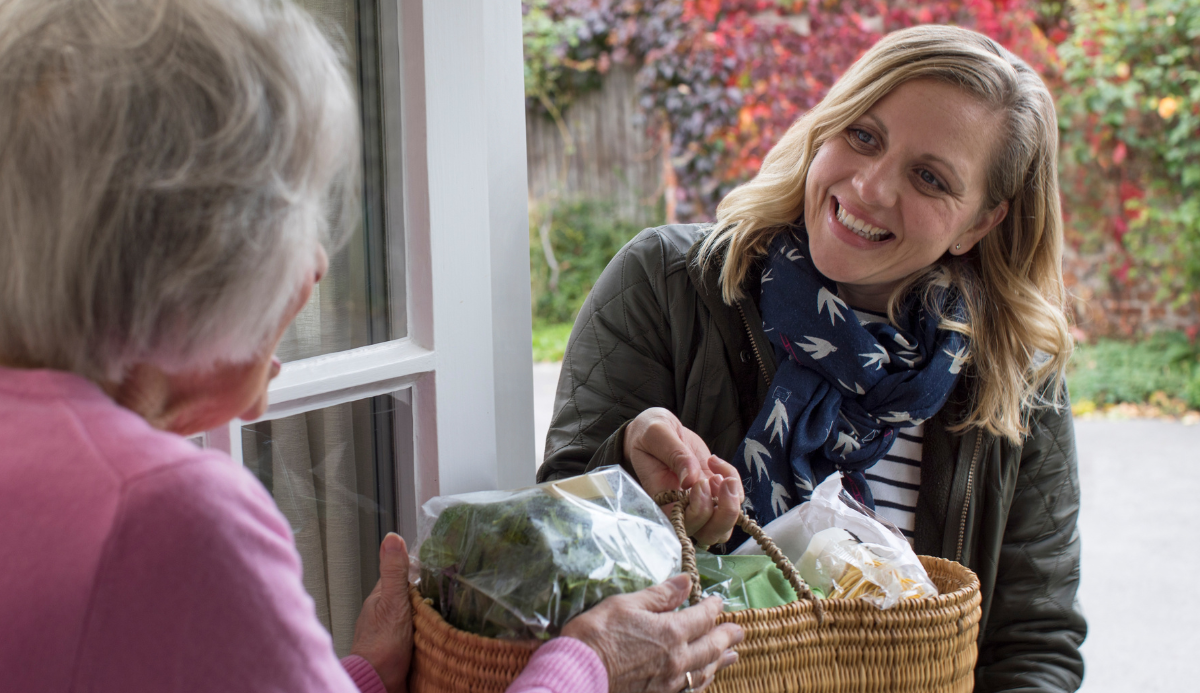
- Target the Isolation: Think of a neighbor or acquaintance you know doesn’t have much of a social network or family nearby. Bake some cookies, knock on their door, and check in on them just to say hello.
- For Organizations and Leaders: Invite Building Hope to your workplace, club, or congregation. Let’s work together to bring training and resources directly to the people you lead.
- Join Building Hope at monthly Community Connectedness Events (Adult, Youth, and/or Family) or Dude Talk Dinners! Find all events on our calendar!
Let’s build a new legacy for Summit County: one where independence coexists with deep community care, where kindness is a daily practice, and where no neighbor ever has to navigate the rapids alone.
Stay tuned in the coming months for new community initiatives, events, and partnerships aimed specifically at deepening these local connections and building an even stronger, safer network of support right where you are.
Local Resources & Immediate Support
You are a vital part of this community, and you don’t have to carry the weight alone. If you or someone you know needs support, please utilize these local and national lifelines:
- Building Hope Summit County: Connection to local therapy, scholarships, and community events. Visit buildinghopesummit.org or call 970-485-6271 (non-crisis).
- Paragon Behavioral Health Connections: Providing 24/7 mobile crisis response, stabilization, and aftercare programs directly to individuals in Summit County. Call 720-610-2670 for immediate mobile crisis response.
- Summit County SMART Team (Systemwide Mental Health Alternative Response Team): A specialized mobile crisis response unit pairing law enforcement technicians with mental health clinicians to respond directly to individuals in crisis. Call the non-emergency dispatch line at 970-668-8600 to request the team, or dial 911 in an immediate extreme emergency.
- Colorado Mental Health Line: Free, confidential, national support available 24/7. Call or text 988.
